

Comfort and safety go hand in paw. Whether you share your home with a curious kitten, a senior dog, or an energetic rescue, small changes to layout, products, and routines make daily life calmer and safer for both pets and people.
This guide covers practical, actionable steps you can take right away—from better bedding to smarter monitoring and simple organization—to create a pet-friendly home that reduces stress, prevents accidents, and supports your pet’s health and happiness.
Create cozy, secure sleeping spaces
Good sleep starts with the right bedding and placement. Choose beds with durable, washable covers and appropriate support for age and size. Place beds away from drafts, loud appliances, and direct sun in summer. For pets that like to burrow or feel enclosed, offer a covered bed or a basket in a low-traffic corner.
Explore supportive, size-appropriate options like those in the Dog Beds & Furniture collection to match your pet’s needs and your home’s style.
Control temperature and comfort with smart climate tools
Pets can’t always move themselves to a more comfortable zone, especially young, elderly, or mobility-impaired animals. Keep indoor temperatures stable and program schedules that align with daily routines to prevent overheating or chilling when you’re out.
A programmable solution like a Smart Thermostat lets you set pet-friendly temperature ranges, create energy-efficient schedules, and adjust remotely when plans change.
Improve lighting for safety and behavior
Proper lighting reduces accidents, helps pets navigate stairs and ramps, and supports natural activity patterns. Soft, warm lighting in the evening helps calm many animals, while daylight-mimicking bulbs boost alertness during the day.
Smart bulbs give you flexible control—schedule dimming at night, create gradual wake-up light for morning routines, or remotely ensure lights are on during long workdays. Check options in the Smart Light Bulbs category.
Monitor activity and secure the perimeter
Keeping an eye on entrances, yards, and high-traffic zones reduces escape risk and lets you spot hazards or unusual behavior early. Cameras also help you reassure anxious pets with a quick check when you’re away.
Consider a combination of visible and discreet devices placed at exits and yard views. The Smart Security Cameras category has systems designed for outdoor monitoring and two-way communication so you can listen, talk, and intervene when needed.
Keep floors clean and allergens down
Loose fur, tracked-in debris, and litter can create slipping hazards and trigger allergies. A routine that includes vacuuming, spot cleaning, and durable floor coverings helps maintain traction and hygiene.
Robotic vacuums take daily maintenance off your plate by running scheduled cleanings that collect hair and dust from common pet areas. Browse the Robot Vacuum Cleaners selection for models with strong suction and easy maintenance.
Design a safe feeding and storage area
Feeding areas should be tidy, accessible, and placed away from high-traffic zones (to prevent jostling while pets eat). Use non-skid mats under bowls and choose raised bowls if recommended for breed or age to ease swallowing.
Store kibble and treats in airtight containers to keep food fresh and prevent pests. Use appropriately sized containers for rotation and portion control—see durable options in the Food Storage Containers collection.
Automate feeding and hydration
Automatic feeders and fountains maintain consistent routines when you’re at work or traveling. Timed feeders prevent overeating and portion control, while filtered water fountains encourage hydration with fresh circulating water.
For cats and small dogs, an automatic option like the IMIPAW Automatic Cat Feeder helps schedule meals reliably. Pair that with a stainless steel fountain to keep water appealing and cleaner longer—see the Cat Water Fountain Stainless Steel for a durable, quiet option.
Remove hazards and organize pet supplies
Do a room-by-room sweep for small items pets could chew or swallow, exposed cords, toxic plants, and accessible human foods that are harmful to pets. Use childproof or pet-proof latches on cabinets if your pet is a persistent counter-surfer.
Set up a single supply zone with leashes, medications, grooming tools, and cleaning supplies so you can access emergency items quickly. Label containers and keep frequently used items low and clearly visible.
Simple checklist: Quick actions you can take today
- Place beds away from drafts and add a non-slip rug near entry points.
- Program a modest temperature range on a smart thermostat for sleep and daytime.
- Install soft evening lighting or automated bulbs to reduce nighttime stress.
- Set a daily robotic vacuum schedule for high-shed areas.
- Move food to airtight containers and label feeding dates.
- Test cameras or door monitors at eye level for pets to observe you safely.
- Secure cords and small objects, and store cleaners and chemicals locked away.
FAQ
-
How do I choose the right bed for my pet?
Match bed size to your pet’s stretched length and choose materials that meet their needs: orthopedic for seniors, washable covers for messy pets, and enclosed styles for anxious animals.
-
Can smart thermostats save money while keeping pets comfortable?
Yes—smart thermostats allow temperature scheduling and remote adjustments so you avoid extremes while maintaining safe ranges for pets when you’re away.
-
Are robotic vacuums safe around pets?
Most are designed to avoid obstacles and handle pet hair, but supervise initial runs. Choose a model with tangle-resistant brushes and an easy-to-empty dustbin.
-
What foods should I keep completely out of reach?
Common hazards include chocolate, xylitol, grapes/raisins, onions, garlic, and alcohol. Store these in closed cupboards or high places out of pet reach.
-
How do I encourage a pet to use a new water fountain?
Place the fountain where your pet already drinks, keep it clean, and introduce it with fresh water. Many pets prefer moving water—try gradual placement and positive reinforcement.
Practical comfort and safety changes don’t have to be expensive—start with bedding, secure storage, and a few smart devices that automate routine care. Small, consistent adjustments will reduce stress, prevent accidents, and give your pet a happier home life.
Products Featured in This Article

IMIPAW Automatic Cat Feeders, Timed…
Product description 1 Product Details 2 Dual Power 4 Visible Food Bucket 5 Friendly Angle 1…
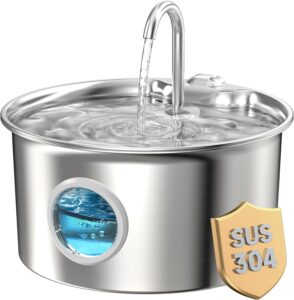
Cat Water Fountain Stainless Steel:…
Product description ATMZIQXR Cat Water Fountain Better for pets The video showcases the product in use.The…