
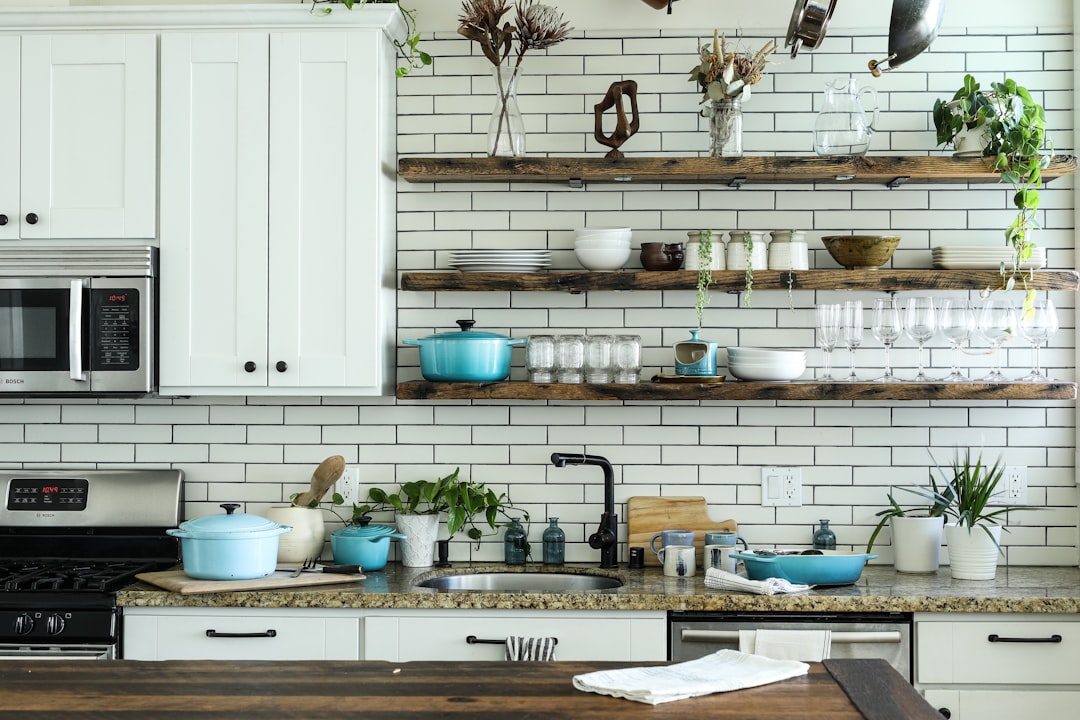
How to Organize a Small Kitchen for Maximum Storage Space
Small kitchens can feel limiting, but with smart decisions and a few targeted upgrades you can make every inch count. The goal is not just to cram things in, but to create an efficient system that reduces clutter, speeds up cooking, and makes maintenance easier.
This guide offers practical, step-by-step strategies you can implement this weekend. I’ll point out specific organizer types and products so you can shop with purpose and avoid trial-and-error.
1. Start with a realistic assessment
Before buying organizers, take 30–60 minutes to audit what you actually use. Empty a cabinet or drawer, sort items into keep, donate, and discard piles, and note items you use daily vs. rarely. Keep frequently used tools within reach and consider moving occasional-use appliances to higher shelves or storage outside the kitchen.
If you find loose tools and mismatched gadgets taking up space, consider consolidating and upgrading with purpose-built options from Kitchen Utensils & Gadgets that are designed to stack or nest for compact storage.
2. Make shelves work harder: vertical and tiered storage
Most small kitchens have unused vertical space. Add shelf risers, turntables, and tiered racks to increase visible storage and prevent things from getting buried. Use the full height of cabinets; items you use rarely can live on the highest shelf in labeled bins.
For deep cabinets that waste the back area, pull-out systems create accessibility and improve usable capacity. Look at Kitchen Cabinet Organizers for pull-out shelves, lazy Susans, and drawer dividers that reduce dead space.
3. Install pull-out drawers for deep cabinets
Deep, narrow spaces are perfect for pull-out drawers that turn a black hole into organized storage. A single pull-out can fit baking trays, cutting boards, or pantry cans and makes them simple to retrieve without moving everything in front.
If you want a ready-made solution for a cabinet that’s wasting space, a product like the SlidingSusan Pull Out Drawer converts a deep cabinet into multiple accessible tiers—ideal for maximizing storage without heavy carpentry.
4. Use clear, stackable containers and smart labeling
Swap mismatched boxes and bags for uniform, clear containers so you see quantities at a glance. Choose stackable bins for pantry shelves and modular containers for dry goods. Clear containers also protect food from pests and reduce waste by keeping ingredients visible and accessible.
For bulk staples and meal prep items, browse the selection of Food Storage Containers designed for stacking and airtight seals—these save shelf space and keep your pantry orderly.
5. Rethink the refrigerator and freezer layout
A disorganized fridge wastes space and leads to food spoilage. Use clear, labeled bins to group similar items: dairy, sauces, fruits, snacks. Stackable fridge bins create horizontal layers so nothing hides in back, and removable bins make cleaning quick.
Consider dedicated tools like stackable refrigerator organizer bins to maximize vertical space inside doors and shelves while making items quick to grab.
For small freezers, use shallow bins that slide in and out—this maintains visibility and prevents forgotten frozen items from taking up valuable space. Explore additional Refrigerator Organizers to find shapes that match your model.
6. Use the back of doors, cabinet sides, and under-sink intelligently
The inside of cabinet doors and the sides of cabinets are often overlooked. Mount narrow racks for spices, lids, or cutting boards to free shelf space. Under the sink, use tiered trays or small pull-out baskets for cleaning supplies instead of scattering bottles and brushes.
For dishes and drying, an over-sink drying rack clears counter space and lets water drip straight into the sink rather than occupying limited counter real estate. A durable option from the Dish Racks & Sink Organizers category will keep dishes organized and counters usable.
7. Prioritize multifunctional and stackable tools
In a small kitchen, every appliance should earn its place. Look for multifunctional appliances (air fryer + oven combos, compact mixers with multiple attachments) and stackable cookware. Store lids vertically to save space and nest bowls and pots when possible.
Countertop items should be curated—limit to what you use weekly. For spices and frequently used condiments, a compact wall- or cabinet-mounted system keeps counters clear; shop practical solutions under Spice Racks & Organizers.
8. Small habits that protect your organization
Small daily habits keep systems functioning: return items to their designated spots after use, wipe crumbs from shelves, and do a monthly inventory to discard expired items. Use consistent containers and labels so anyone in the household can maintain the system.
When you bring home new utensils or gadgets, ask whether they replace something or duplicate it. If they duplicate, reorganize immediately rather than creating clutter.
Quick checklist: Essentials to add for a small-kitchen upgrade
- Pull-out drawer or slide shelf for deep cabinets (SlidingSusan Pull Out Drawer)
- Stackable clear food containers (Food Storage Containers)
- Tiered cabinet organizers (Kitchen Cabinet Organizers)
- Fridge bins to create layers (Stackable Refrigerator Organizer Bins)
- Over-sink drying rack to free counters (Dish Racks & Sink Organizers)
- Compact spice system (Spice Racks & Organizers)
- Small nesting utensils and gadget set (Kitchen Utensils & Gadgets)
Conclusion: One small project at a time
Start with one area—cabinet, drawer, or the fridge—and make that space predictable and functional. When a single zone works reliably, expand to the next. Small consistent changes add up to a kitchen that feels larger, works faster, and stays tidy.
FAQ
-
How do I choose between shelf risers and pull-outs?
Shelf risers are inexpensive and quick for creating tiers; pull-outs are better for deep, hard-to-reach cabinets. If accessibility is an issue, prioritize pull-outs.
-
Are clear containers worth the investment?
Yes—clear, uniform containers improve visibility, maximize stacking, and reduce food waste. Choose sizes that match your most common quantities.
-
What’s the best way to organize spices in a small kitchen?
Keep daily-use spices on a small countertop rack or inside a cabinet door for easy reach. For larger collections, use a labeled, tiered Spice Racks & Organizers that fits vertically to save counter space.
-
Can over-sink racks really save counter space?
Yes—an over-sink rack uses sink real estate to dry dishes and keeps counters clear, which is especially valuable in compact kitchens. Look for a sturdy model from the Dish Racks & Sink Organizers selection.
-
How do I organize a tiny fridge so items don’t get lost?
Group like items in shallow, labeled bins and stack where possible. Use clear bins such as the stackable fridge bins to create visible layers and reduce hidden food.
Products Featured in This Article

SlidingSusan Pull Out Drawer for Ca…
From the brand Smart Storage, Made Simple Sliding Susan creates pull-out cabinet organizers and wooden products…

Stackable Refrigerator Organizer Bi…
Product description Package Includes 6 PCS refrigerator storage bins (10’ L x 6’ W x 3’…