
Building a daily pet care routine gives your dog or cat structure, reduces stress, and makes life simpler for you. A clear routine covers feeding, exercise, grooming, safety, and quiet time—so both pet and owner know what to expect every day.
This beginner’s guide breaks those pieces down into actionable steps you can implement today. Each section includes practical tips and a product suggestion from Home Paw Living to streamline your setup.
Create a consistent daily schedule
Pets thrive on predictability. Set fixed times for meals, walks/play, grooming and bedtime. Consistency helps with house training, reduces anxiety and improves sleep for everyone. Designate a comfortable rest spot for naps and overnight sleep to reinforce the schedule—consider exploring Dog Beds & Furniture to find a bed that fits your pet’s size and sleep habits.
Feeding: portion, timing and bowl choice
Decide on a feeding approach (free-feeding vs. scheduled meals) based on your pet’s age, weight and vet recommendations. For pets that eat too fast or need portion control, use a slow-feeder bowl to reduce gulping and improve digestion. For easy implementation, try a slow-feeder like the LE TAUCI Dog Bowls Slow Feeder Ceramic.
Food storage and prep
Store kibble, treats and wet food safely to preserve freshness and prevent pests. Clear, airtight containers make it easier to measure portions and see inventory at a glance. Use stackable or labeled containers so you always know when to reorder—check the Food Storage Containers options to keep food fresher and your kitchen organized.
Grooming and hygiene: quick daily checks
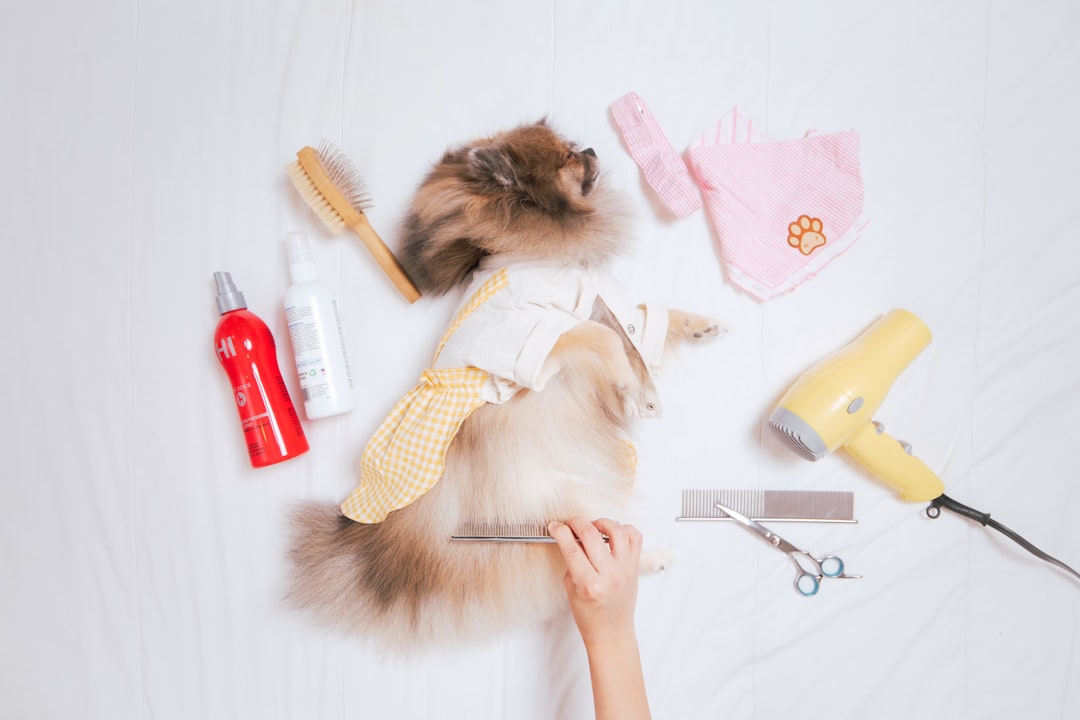
Daily grooming steps are simple: a quick brush, eyes and ears check, and a paw inspection. These short routines catch issues early and reduce shedding around the house. For at-home maintenance sessions, a grooming vacuum and basic tools make clean-up and hair control easier—consider the oneisall Dog Grooming Vacuum for efficient grooming and hair containment.
Exercise and mental enrichment
Daily exercise prevents weight gain and behavioral issues. Tailor the length and intensity to your pet’s age and breed. Indoor enrichment—puzzle feeders, chew toys, and interactive play—keeps minds sharp on low-activity days. Durable toys are a must for heavy chewers; durable options like WinTour Tough Dog Toys help satisfy chewing needs without constant replacements.
Home safety and monitoring
Keep an eye on your pet when you’re away. Cameras and smart sensors can alert you to unusual behavior, escapes or safety hazards and give peace of mind during long days at work. If you want an unobtrusive way to check in from your phone, explore Smart Security Cameras that fit pet-monitoring needs.
Cleaning and daily home maintenance
Small daily habits reduce deep-cleaning time. Wipe food bowls after meals, sweep high-traffic areas and have pet hair tools handy at exits. Automated cleaners can save effort: a robot vacuum keeps fur under control on scheduled runs. For a strong, hands-off cleaning boost, see models in the roborock Q7 M5+ Robot Vacuum listing.
Travel, vet visits and emergency prep
Practice short car rides and crate time to reduce stress during vet visits or travel. Keep a well-packed carrier and a travel checklist with food, medication and comfort items. A reliable carrier that meets airline or car safety standards makes trips smoother—check the Henkelion Cat Carriers for secure, travel-ready options.
Daily checklist
- Morning: feed (measured), fresh water, 10–20 min play or walk.
- Midday: quick bathroom break, short mental enrichment (treat puzzle).
- Evening: longer walk/play, grooming check (brush, paws, ears), dinner.
- Night: quiet wind-down, access to bed/crate, last bathroom break before sleep.
- Weekly: brief home safety check, food inventory, clean bowls and bedding.
FAQ
Q: How strict should my schedule be?
Keep mealtimes and key activities consistent to build habits, but allow flexibility for vet advice, growth stages, or holidays.
Q: How do I transition to scheduled meals from free-feeding?
Gradually limit access by providing measured meals at fixed times and removing uneaten food after 20–30 minutes. Monitor weight and adjust portions as needed.
Q: What if my pet refuses a new bed or carrier?
Introduce new items slowly with treats and positive reinforcement. Place a familiar blanket or toy inside and let your pet explore at their own pace.
Q: How do I keep my routine when my schedule changes?
Prioritize at least one consistent daily activity (mealtime or walk) and use short enrichment sessions to bridge gaps. Smart tools like cameras and automatic feeders can help maintain consistency.
Q: How often should I groom my pet?
Daily quick checks are ideal; full grooming depends on coat type—short-haired pets may need weekly brushing, long-haired pets need more frequent attention.
Conclusion
Start small: pick two or three routine anchors—meals, a morning walk, and a nightly rest—and build from there. Consistency, simple tools and a few reliable products will save time and reduce stress as your routine becomes second nature.
Products Featured in This Article

roborock Q7 M5+ Robot Vacuum and Mo…
From the brand Smarter Clean, Lighter Life. 𝟳-𝗪𝗲𝗲𝗸𝘀 𝗛𝗮𝗻𝗱𝘀 𝗙𝗿𝗲𝗲 𝗖𝗹𝗲𝗮𝗻𝗶𝗻𝗴: With a 2.7L sealed dust…

LE TAUCI Dog Bowls Slow Feeder Cera…
Product description The video showcases the product in use.The video guides you through product setup.The video…

oneisall Dog Grooming Vacuum, Pet G…
From the brand oneisall Pet Grooming Vaccum Furever Love Forever Care Transform How You Pet Product…
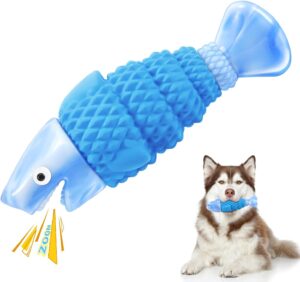
WinTour Tough Dog Toys for Aggressi…
Product description Interactive Dog Toys Chew toys for dogs help them relieve anxiety and release extra…

Henkelion Cat Carriers Dog Carrier …
Product description HENKELION AIRLINE APPROVED PET CARRIER SERIES AIRLINE APPROVED CARRIER With airline-approved design, you can…