
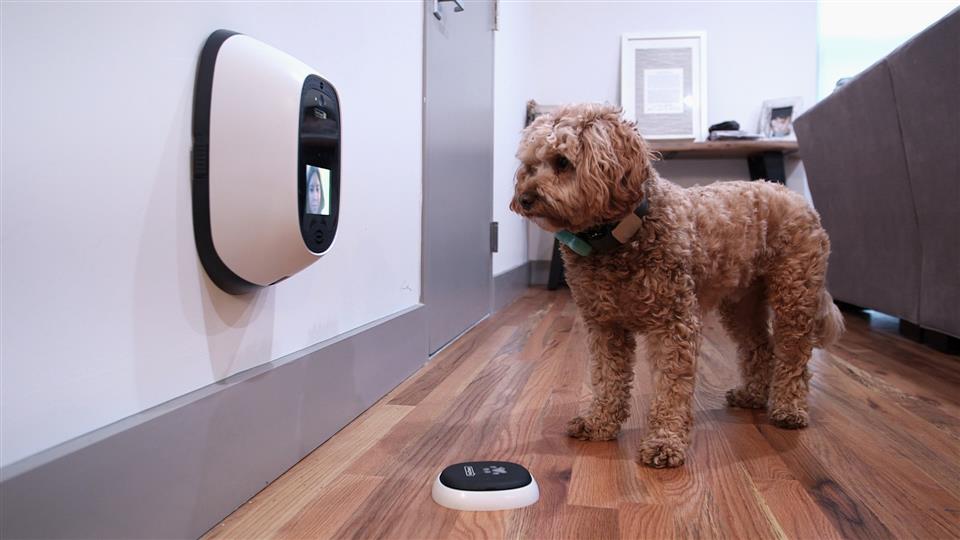
Smart pet technology can make life easier for you and safer for your animals. From monitoring your dog while you’re at work to automating feeding and keeping floors free of fur, practical devices reduce stress and save time. This guide gives pet owners a clear starting point so you can make confident, useful choices without getting overwhelmed.
Below you’ll find straightforward explanations of common smart pet tools, what problems they solve, setup and privacy tips, and recommendations for how to integrate them into everyday routines.
Understanding smart pet technology: what it is and why it helps
Smart pet technology refers to connected devices that monitor, entertain, feed, or maintain the environment for pets. These products usually pair with an app or a hub and let you check status, create schedules, or receive alerts. For pet owners, the benefits are practical: better monitoring, consistent care while you’re away, and less day-to-day manual maintenance.
Start by identifying the problem you want to solve (separation anxiety, messy floors, missed feedings, or temperature control). Buying one targeted device and learning it thoroughly is more effective than buying many devices at once.
Watch over pets with smart cameras
Indoor and outdoor surveillance cameras let you check on pets in real time, record activity, and receive motion alerts. When choosing a camera, look for good low-light performance, two-way audio (so you can speak to your pet), and reliable cloud or local storage.
If monitoring while away is a priority, consider models from the Smart Security Cameras category. These are designed for home use and often include pet-friendly features like activity zones and noise detection.
Doorstep interactions: using video doorbells
Video doorbells are useful if your pet reacts to visitors or if you want to see who’s at the door before opening it. They also provide a record of deliveries and visitors—helpful if your dog barks at passersby or gets anxious when the doorbell rings.
For front-door monitoring and two-way talk from anywhere, consider options in the Video Doorbells collection. Place the device at a height that captures approach paths without pointing downward at the floor.
Comfort control: thermostats that keep pets safe
Pets are sensitive to temperature changes. A smart thermostat lets you keep a consistent indoor climate, create schedules around the hottest or coldest parts of the day, and get alerts if temperatures go outside a safe range.
Consider a model from the Smart Thermostats category. Use geofencing or schedules so your HVAC responds to human presence but maintains safe baseline temperatures when the house is empty.
Lighting and routines: smart bulbs for predictable behavior
Lighting affects pet behavior—gradual dimming can help calm anxious animals, and timed lighting can maintain regular schedules for feeding, play, or sleep. Smart bulbs make it easy to create routines and trigger scenes, such as a “calm evening” that lowers lights and plays soft audio from a smart speaker.
For flexible lighting that integrates with routines or motion sensors, look into the Smart Light Bulbs selection. Use scenes tied to your pet’s activity patterns rather than human-only schedules.
Keeping home clean: robot vacuums for pet hair
Pet hair and tracked-in dirt are daily maintenance issues for many owners. A robot vacuum can manage hair and dander on hard floors and low-pile carpets—reducing manual vacuuming and helping allergens stay under control.
Choose from models in the Robot Vacuum Cleaners category, paying attention to suction power, filtration, and mapping features so the device avoids water bowls and pet beds. Schedule runs for times your pet is out or in another room to avoid stress or accidental encounters.
Automating feeding and storing food safely
Consistent feeding times and properly stored food are big wins for pet health and convenience. Automatic feeders can be triggered on a schedule or remotely, but they should be paired with secure storage to keep food fresh and pest-free.
For storage, consider durable solutions from the Food Storage Containers collection to portion and protect dry food. To control electric feeders or warming devices safely, use smart switches from the Smart Plugs & Outlets category—these provide scheduling and remote on/off control. Always verify the feeder is pet-safe and fails in the open (so it won’t jam and over-serve).
Comfort and rest: choosing beds and furniture with tech in mind
Smart accessories for rest are emerging—heated pads with timers, elevated cooling beds, and pet furniture that pairs well with remotes or smart plugs. When integrating tech, prioritize durability and materials that resist chewing and accidents.
Browse sturdy, comfortable options in Dog Beds & Furniture and choose beds that suit your pet’s size and mobility. If adding any heating element, pair it with a smart plug for schedule control and automatic shutoff.
Practical setup and privacy tips
When adding smart devices, follow these essentials:
- Use a dedicated Wi‑Fi network or guest network for devices when possible.
- Choose unique, strong passwords and enable two-factor authentication for accounts that support it.
- Regularly update firmware and apps—updates often include security fixes.
- Place cameras and sensors to respect household privacy while covering critical areas (no cameras in sensitive spaces such as bathrooms).
Checklist: first steps for smart pet tech
- Identify one problem to solve (monitoring, feeding, cleaning, climate).
- Choose one device category and research models with strong reviews for reliability.
- Confirm power, Wi‑Fi coverage, and placement before purchase.
- Set up schedules and test automation for a week before relying on it completely.
- Create a backup plan (friend, sitter, or emergency contact) in case tech fails.
FAQ
- Will cameras stress my pet? Some pets notice cameras; choose smaller units and introduce them while offering treats. Two-way audio can help, but avoid loud or unexpected noises.
- Are automatic feeders safe? Quality feeders with portion control are safe when used properly. Check for jamming risks and monitor first few days to ensure reliability.
- Do robot vacuums bother pets? Some pets are curious or fearful. Start with supervised runs and schedule cleaning when pets are out or in a different room if needed.
- Can smart devices replace a pet sitter? No. Technology helps with monitoring and routine care but cannot replace human attention for social, medical, or emergency needs.
- How do I protect my network when adding devices? Use strong passwords, enable updates, and consider a separate network for IoT devices. Disable features you don’t need (remote access, unnecessary ports).
Conclusion
Start small: pick one device tied to a clear need, integrate it into a routine, and expand once it proves reliable. With careful selection and secure setup, smart pet technology can save time, reduce stress, and help you provide more consistent care for your animals.