
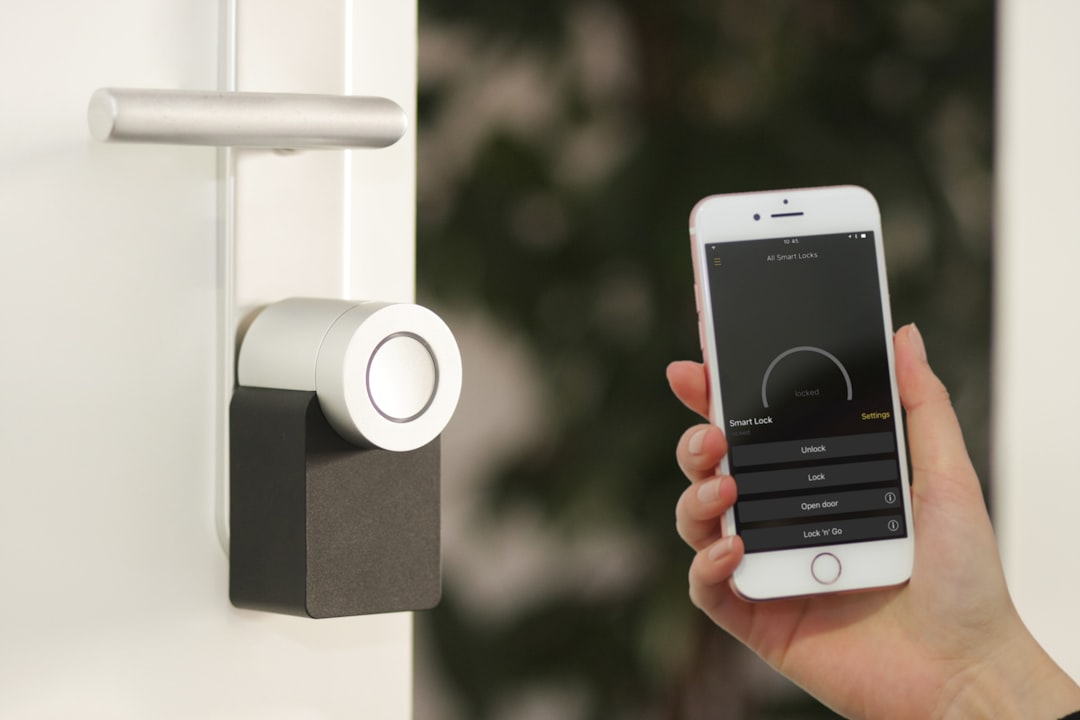
A Beginner’s Guide to Setting Up a Smart Home — Room by Room
Creating a smart home doesn’t require deep technical know-how or a huge budget. With a clear plan and a few essential devices, you can add convenience, comfort, and security—one room at a time.
This guide walks you through practical choices, setup priorities, and common pitfalls for each major space in your home so you can deploy smart tech that actually makes life easier.
Plan before you buy: priorities, compatibility, and network
Start by listing what you want to achieve (security, energy savings, convenience, pet care). Decide whether you’ll prioritize voice control, app control, or automation routines. Pick a platform early (Apple HomeKit, Google Home, Amazon Alexa) and check device compatibility to avoid device conflicts.
Also account for your Wi‑Fi: many smart devices need stable 2.4 GHz service. If you have weak coverage, plan to add a mesh system or extenders. For plug-and-play control of non-smart gear, consider adding a few Smart Plugs & Outlets to your initial shopping list—these are versatile for lamps, fans, or holiday lights and help you test automations before adding pricier hardware.
Living room: lighting, media, and comfort
The living room is often the first place where smart devices show immediate value. Smart bulbs make mood lighting, schedules, and voice control effortless. Replace a couple of fixtures with smart bulbs to enable scenes (movie night, reading, etc.) without rewiring.
Start small: swap to a few Smart Light Bulbs in central fixtures, pair them with a smart plug for non‑smart lamps, and add one or two media automations (turn lights off when TV is on).
Kitchen: convenience, safety, and smart cooking
Kitchens benefit from hands-free controls and timers. Voice-enabled devices or a smart display near the prep area can show recipes, timers, and shopping lists. Prioritize splash-resistant placements for screens and speakers.
For appliances, consider integrating a few smart small appliances instead of refitting everything at once. A single smart oven, air fryer, or multi-cooker can level up meal prep and can be a good entry point into kitchen automation. Look into Small Kitchen Appliances that support remote controls or scheduling.
Bedroom: comfort, privacy, and sleep routines
In bedrooms, aim for devices that improve comfort and support a consistent bedtime routine. Use dimming smart bulbs, timers, and a single automation to lower lights and adjust temperature at bedtime.
For temperature control, a smart thermostat can reduce nighttime energy use while keeping sleeping comfort consistent. If you’re starting with climate control, a Smart Thermostat is one of the most impactful upgrades for comfort and energy savings.
Entry and security: cameras, doorbells, and access control
Start security with a clear-zone approach: cover the primary entrance and one visible outdoor area. A smart video doorbell provides immediate value—two-way audio and motion alerts help you screen visitors and deliveries.
Add a doorbell first, then expand to cameras as needed. A reliable Video Doorbells at the front door combined with an indoor view camera gives both deterrence and visibility and integrates well with most smart home platforms.
Cleaning and maintenance: automations that save time
Robotic vacuums and scheduled appliances turn chores into background tasks. Schedule cleanings for after work or when nobody’s home, and set “do not disturb” zones for pet areas or children’s playtimes.
For homes with pets and high-traffic areas, a quality Robot Vacuum Cleaners is a worthwhile investment—pick models with mapping features and no-go lines to avoid beds or feeding areas.
Organization and storage: smart thinking for kitchen and pantry
Smart homes succeed when the physical organization matches digital convenience. Use clear, labeled storage and predictable spots for frequently used items so automations (like grocery reminders) actually work.
At minimum, add stackable bins and labeled containers to make inventory and meal planning reliable. If you want a simple win that improves meal prep speed and reduces waste, add Pantry Organizers to create consistent zones for staples and keep smart kitchen lists accurate.
Pet-friendly smart setups
Pets change how you use smart home tech: automations should account for feeding times, restricted rooms, and camera angles that capture pet activity. Place cameras to cover common pet spaces and set routines that avoid startling pets (no sudden lights or alarms).
Consider comfort upgrades like a dedicated resting area; a durable Dog Beds & Furniture in a quiet corner keeps pets comfortable when you use smart devices like vacuums or automation routines.
Setup checklist
- Map priorities: list three must-have automations (e.g., lights off at bedtime, doorbell alerts, scheduled vacuuming).
- Check platform compatibility before purchase (voice assistants and hubs).
- Upgrade Wi‑Fi if coverage is weak in target rooms.
- Start with low-cost devices (smart plugs, bulbs) to learn automations.
- Secure accounts with strong passwords and enable two-factor authentication.
- Label devices by location in your app for clear automations (e.g., “Living Room Lamp”).
- Create routines that include multiple devices (arrival, bedtime, away).
FAQ
- Q: What should I buy first for a smart home?
- A: Start with a smart plug or smart bulb and one automation. They’re inexpensive, reversible, and teach you how routines work.
- Q: Do smart devices need a hub?
- A: Some devices require a hub; many newer Wi‑Fi devices do not. Check product specs and decide on a hub only if needed for range or protocol support.
- Q: How do I secure my smart home devices?
- A: Use unique, strong passwords, enable two-factor auth when available, keep firmware updated, and isolate IoT devices on a guest network if your router supports it.
- Q: Will smart devices increase my energy bills?
- A: Properly used automations and a smart thermostat can lower energy use; some devices have standby consumption—choose ENERGY STAR or low-power models when possible.
- Q: How do I avoid overwhelming automations?
- A: Implement one useful routine at a time. If it stops being helpful, simplify or remove it. Focus on removing friction, not adding notifications.
Conclusion — a practical takeaway
Build your smart home incrementally: pick a platform, strengthen your Wi‑Fi, and add a few reliable devices per room. Test automations, prioritize ease of use, and secure your network. Small, well-chosen upgrades—lighting, a video doorbell, a smart thermostat, or a robot vacuum—deliver the biggest everyday benefits.