
A Practical Guide to Keeping Pet Feeding Areas Clean and Organized
Keeping your pet’s feeding area clean and organized makes mealtime healthier, reduces pests, and saves you time. This guide gives practical, no-nonsense steps you can implement today—whether you have a small apartment or a busy multi-pet household.
Read on for layout tips, cleaning routines, smart storage ideas, recommended products, and a concise checklist to put everything into action.
1. Assess the space and set realistic boundaries
Start by picking a dedicated spot for feeding that’s easy to clean and away from high-traffic zones. If you keep food supplies nearby, use Pantry Organizers to keep dry food, treats, and supplements tidy and rodent-free. Measure the area so mats, bowls, and storage fit comfortably and leave a clear walking path.
2. Choose easy-clean bowls and a spill-proof mat
Pick bowls made of non-porous, dishwasher-safe materials like ceramic or stainless steel. For messy eaters, a waterproof mat with raised edges reduces daily cleanup. A good option is the Pieviev Silicone Dog Cat Food Bowl Mat, which catches spills and wipes clean in seconds.
3. Create a dedicated feeding station
Group bowls, mats, and waste receptacles in one compact zone. For dogs that gulp, a slow-feeder bowl reduces mess and overeating—consider the LE TAUCI Dog Bowls Slow Feeder Ceramic for a durable, easy-clean option. Keep a small caddy or hook nearby for scoops and small utensils so everything has a place.
4. Smart storage and portioning
Store bulk kibble and open cans in airtight containers to preserve freshness and prevent pests. Use clear, labeled containers so you can see levels at a glance—check out practical solutions in the Food Storage Containers category. Pre-portion daily meals into containers or resealable bags to speed up feeding and prevent over-serving.
5. Daily cleaning routine (5 minutes)
Daily tasks keep odors and bacteria at bay. After each meal: scrape bowls, rinse or wipe them, and return to the drying area. A dedicated sink zone and drying setup speeds this up—look at Dish Racks & Sink Organizers to make washing and drying more efficient. Wipe the feeding mat and sweep visible crumbs from the floor.
6. Weekly deep clean and rotation
Once a week, wash bowls in the dishwasher or with hot, soapy water; sanitize mats, and mop the floor beneath the feeding area. Rotate feeding accessories—have at least two sets of bowls and swap them so one set is always fully cleaned and dried. Consider a durable drying rack like the NiuYichee 304 Stainless Steel Utensil Holder to speed drying and keep utensils organized.
7. Tackle hair, crumbs and small debris regularly
Fur and food particles collect fast. For quick daily cleanups, a compact sweeper or cordless stick vacuum helps. For thorough, hands-off maintenance, a self-emptying robot vacuum like the roborock Q7 M5+ Robot Vacuum and Mop will pick up kibble and pet hair between manual cleanings—place its no-go markers or docks to avoid bowls while it runs.
8. Tools and products that simplify maintenance
Invest in multi-use items that keep the area functional and tidy. Clear stackable bins are great for storing treats, carriers, and seasonal supplies; transparent options make inventory quick and easy—see the Clear Plastic Storage Bins for Kitchen Organization. Pair bins with labeled shelves or hooks for scoops and leashes so everything lives in one place.
Quick checklist
- Designate a single, easy-to-clean feeding zone.
- Use dishwasher-safe bowls and a waterproof mat.
- Store bulk food in airtight, labeled containers.
- Wipe bowls and mat after every meal; deep clean weekly.
- Keep a small drying rack or organizer for clean bowls.
- Run a vacuum or sweeper daily for hair and crumbs.
FAQ
Q: How often should I wash my pet’s bowls?
A: Rinse or wash bowls after every meal when possible. If that’s not practical, wash them at least once daily with hot, soapy water or in the dishwasher to remove oils and bacteria.
Q: Is a feeding mat necessary?
A: A mat is highly recommended—especially for water and kibble spills. It protects floors, contains messes, and makes cleaning faster.
Q: What’s the best way to store large bags of dry food?
A: Transfer to airtight containers stored in a cool, dry place. Use clear containers for quick inventory checks and label with expiration dates or opening dates.
Q: Can robot vacuums be used around feeding stations?
A: Yes—robot vacuums are excellent for crumbs and hair. Use boundaries or schedule cleaning when pets aren’t eating to avoid interference with bowls or bowls being pushed around.
Q: How can I prevent pests around pet food?
A: Store food in sealed containers, clean spills promptly, and avoid leaving food exposed overnight. Regularly clean storage shelves and the feeding area to remove attractants.
Conclusion
Maintaining a clean, organized pet feeding area is a mix of smart layout, consistent habits, and a few well-chosen products. Start with a dedicated spot, use easy-clean bowls and a mat, store food properly, and follow a short daily routine with a weekly deep clean. Small investments and consistent steps save time and keep your pet healthier.
Practical takeaway: pick one improvement to implement this week—swap to a washable mat, add airtight storage, or set up a drying rack—and build from there.
Products Featured in This Article

roborock Q7 M5+ Robot Vacuum and Mo…
From the brand Smarter Clean, Lighter Life. 𝟳-𝗪𝗲𝗲𝗸𝘀 𝗛𝗮𝗻𝗱𝘀 𝗙𝗿𝗲𝗲 𝗖𝗹𝗲𝗮𝗻𝗶𝗻𝗴: With a 2.7L sealed dust…
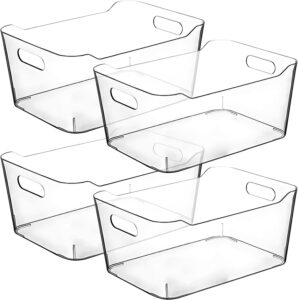
Clear Plastic Storage Bins for Kitc…
Product description Product Dimensions 11.2″L x 8.1″W x 5.1″H High quality storage bins Perfect for: *Pantry…
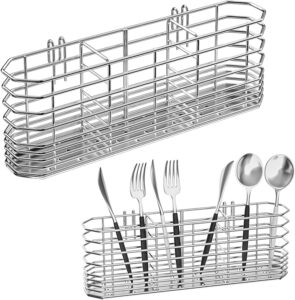
NiuYichee 304 Stainless Steel Utens…
Product description NiuYichee Adjustable Over Sink Dish Rack NiuYichee Dish Drainer Rack for Kitchen can be…

LE TAUCI Dog Bowls Slow Feeder Cera…
Product description The video showcases the product in use.The video guides you through product setup.The video…
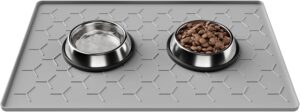
Pieviev Silicone Dog Cat Food Bowl …
Product description 1 Food Contact Safety 2 Easy to Clean 3 Highly Non- Slip Say Goodbye…