
How to Create a Home That Works Better for Both People and Pets
Designing a home that serves the needs of both people and pets means finding practical solutions that balance comfort, durability, and daily routines. Thoughtful layout choices, smart products, and simple habits can reduce stress for everyone and cut down on cleaning and repair time.
This guide covers actionable strategies—from flooring and storage to tech and pet-centric furniture—so you can make targeted improvements without overhauling your whole home.
1. Zone your space for people and pets
Create clear zones: activity areas, quiet-resting spots, feeding corners, and a mud/cleaning station near entries. When you plan pathways and storage, consider how pets move—avoid tight corners where a cat litter box or dog bed will be constantly bumped. For doorways, invest in hardware that withstands frequent use and keeps pets secure; durable door & window hardware makes thresholds and sliding doors more reliable and safer for both small and large pets.
2. Choose flooring and surfaces that withstand wear
Opt for scratch-resistant, low-porosity floors in high-traffic areas. Vinyl plank, ceramic tile, and sealed hardwoods offer easier cleaning and less odor absorption than unsealed wood or delicate carpets. For counters and tables, favor solid surfaces or treated woods that resist stains from spills and pet accidents.
3. Smart tech that reduces friction
Smart devices can automate pet-friendly routines. Tunable lighting helps regulate you and your pet’s day—lower light for nap times, brighter for active play. Consider upgrading to smart light bulbs so schedules and scenes run on timers or geofencing, making mornings and evenings smoother without manual switching.
4. Make cleaning and grooming easier
Pet hair and dander are the biggest ongoing issues. A combination of home appliances and regular grooming is the most efficient approach.
Invest in an automated helper: a robot vacuum cleaner can pick up hair daily, keeping floors manageable between deeper cleans. For direct grooming, a home grooming vacuum system captures loose fur during brushing—convenient for reducing airborne hair and keeping furniture cleaner; consider tools like the oneisall dog grooming vacuum for busy pet owners.
5. Smart feeding and odor control
Designate a feeding station with easy-to-clean mats and a consistent place for bowls to prevent spills and scattered kibble. Use washable or wipeable surfaces where food and water are handled.
Store pet food in airtight containers to preserve freshness and keep pests out. Reliable food storage containers in the kitchen or pantry will also keep smells contained and make portions easy to access.
Choose bowls that fit your pet’s eating style to reduce mess and speed up meals—slow feeders for gulper dogs, shallow bowls for flat-faced breeds. A good example is the LE TAUCI slow-feeder ceramic bowl, which helps slow fast eaters and reduce regurgitation and scattering.
6. Create comfortable, durable rest spaces
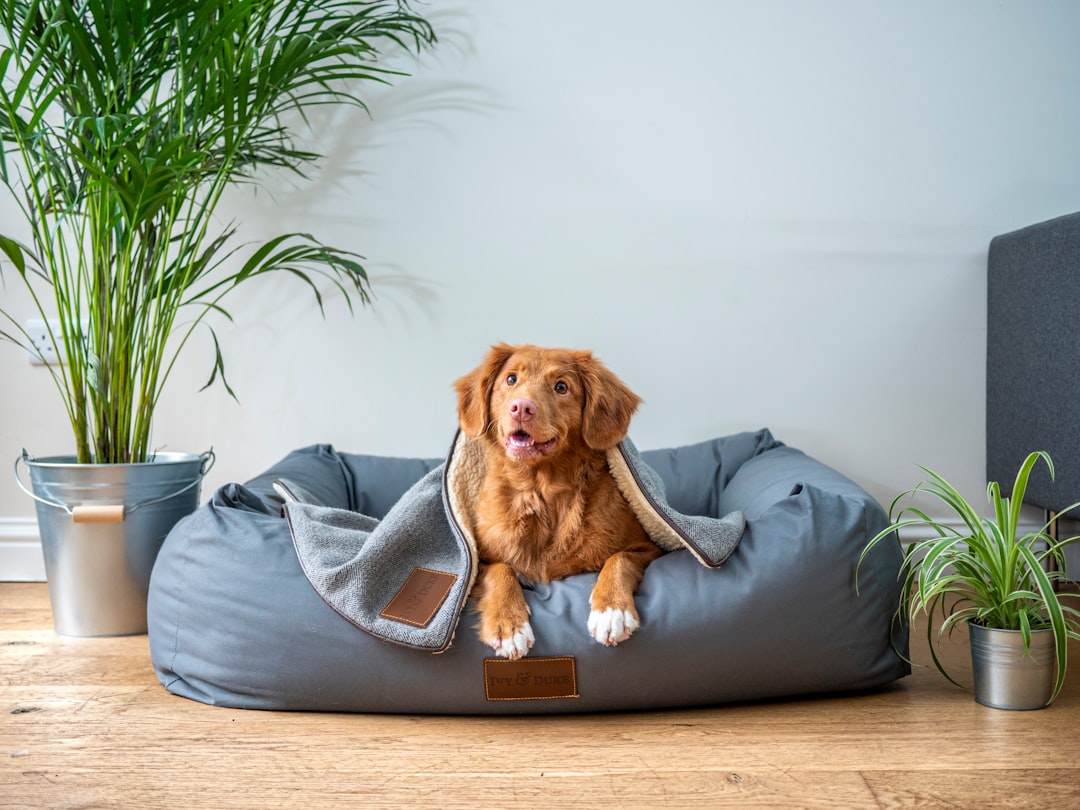
Pets need predictable sleeping areas. Put beds where pets feel part of the household activity but not directly in traffic lanes. Choose pet furniture with removable, washable covers and fabrics that hide hair or are easy to brush off.
For dogs that need extra joint support, look for orthopedic options; for cats who love enclosed or elevated spaces, baskets and window perches work well. Durable and easy-to-clean options like the dog beds & furniture category includes a range of sizes and support levels to match your pet’s needs.
7. Entry, safety, and guest-ready solutions
Entries are high-risk areas for mud, odors, and escapes. Install a robust mat and a small cleanup station with towels, pet wipes, and a brush. If you want remote monitoring for deliveries or to check on reactive pets, a video doorbell lets you see—and in many models, speak to—visitors without opening the door and can prevent stressful encounters for your pet.
8. Practical DIY upgrades and seasonal maintenance
Small upgrades can yield big returns: secure loose trim and threshold slats, install screens or pet-proof window guards, and add durable hooks for leashes and waste bags near exits. Regularly inspect for chewing damage, worn seals, or frayed door weatherstrips and replace before they become big repairs.
Keep a basic toolkit on hand for minor fixes: a versatile screwdriver set, a few clamps, and a putty kit for patching scratched surfaces. When you need reliable tools, the right hand and repair tools save time and money—choose items that match the scale of your projects.
Quick checklist
- Map zones: sleeping, feeding, play, cleaning station.
- Use durable, low-porosity flooring in high-traffic areas.
- Set up a feeding station with airtight food storage containers and appropriate bowls (slow-feeder option if needed).
- Automate daily hair control with a robot vacuum cleaner and regular grooming (e.g., a grooming vacuum).
- Secure entries and invest in durable door & window hardware.
FAQ
-
How do I stop my pet from scratching hardwood floors?
Keep nails trimmed, add durable rugs in traffic paths, and use scratch posts for cats. Consider tougher floor finishes or occasional area rugs in vulnerable spots.
-
What’s the best way to control pet odors?
Address the source: wash beds regularly, store food in airtight containers, vacuum and groom frequently, and ensure good ventilation and washable surfaces.
-
Are robot vacuums safe around pets?
Yes—many models are designed for pet hair. Place cords and small toys out of the way, and choose a model with good suction and brushes that resist tangling.
-
How can I make the kitchen pet-safe?
Keep cleaning supplies locked, store food out of reach, use non-slip mats, and place bowls on trays to catch spills. Use durable organizers to prevent pets from accessing cabinets.
-
What’s the best type of pet bed?
Match bed style to the pet’s needs: orthopedic for older dogs, enclosed for anxious cats, and washable covers for easy cleaning. Durable fabrics and removable covers make maintenance straightforward.
Conclusion
Small, targeted changes—zoning your home, choosing the right materials, and adding a few smart devices—create a quieter, cleaner, and safer environment for everyone. Start with one room: add a dedicated feeding station, upgrade storage, and schedule a simple cleaning and grooming routine. Those incremental improvements add up quickly and make living with pets more effortless and enjoyable.
Products Featured in This Article

LE TAUCI Dog Bowls Slow Feeder Cera…
Product description The video showcases the product in use.The video guides you through product setup.The video…
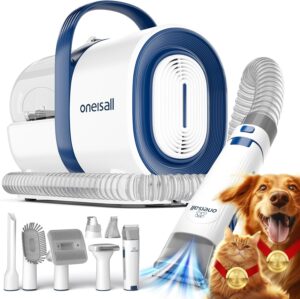
oneisall Dog Grooming Vacuum, Pet G…
From the brand oneisall Pet Grooming Vaccum Furever Love Forever Care Transform How You Pet Product…